Localized Assembly
Receiving inspection, airframe assembly, propulsion and avionics installation, calibration, functional checks and delivery preparation.
 TJWVTOL SOLUTIONS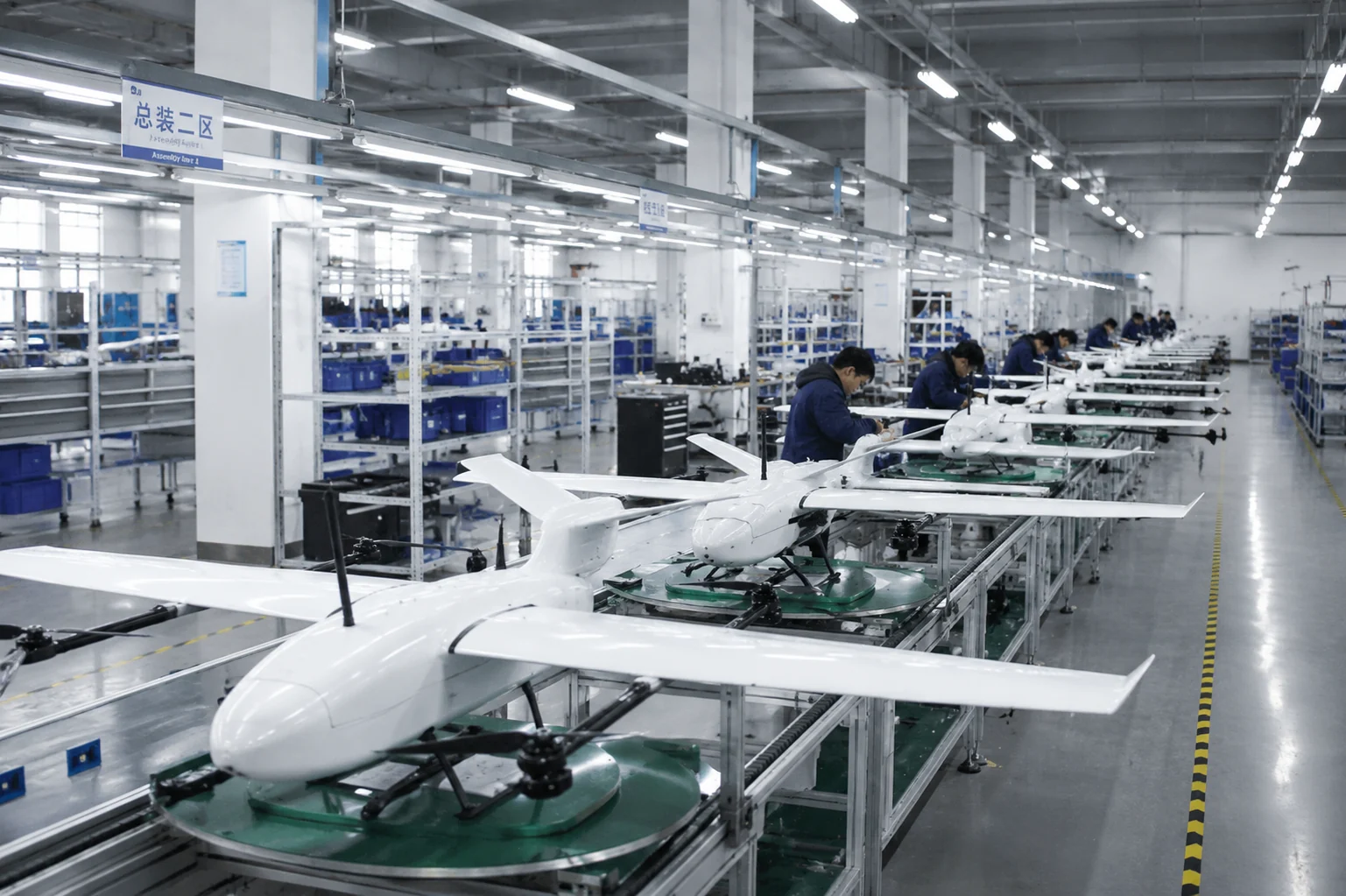
UAV PRODUCTION LINE & TECHNOLOGY TRANSFER
Project-defined planning for UAV assembly, process engineering, equipment and tooling, testing, documentation and workforce training—from initial scope to pilot production.
01 / PROGRAM FRAMEWORK
The final program is built around the selected aircraft, target output, available facility, local workforce and intended market. These three routes are reference frameworks for scoping—not claims of previously completed customer projects.
Receiving inspection, airframe assembly, propulsion and avionics installation, calibration, functional checks and delivery preparation.
Defined stations, tooling, work instructions, quality gates, material flow and operator roles for controlled batch production.
Project review for additional local processes, supplier development, selected part production and deeper technical transfer.
02 / FIVE WORKSTREAMS
Each workstream is confirmed in the written proposal. Equipment models, output targets, documentation depth and on-site support are never assumed from a standard web page.
Aircraft family, localization level, production target, make-or-buy boundary, staffing assumptions and implementation roadmap.
Station sequence, material flow, assembly routing and inspection points organized around the agreed production scope.
A project equipment list covering benches, fixtures, tools, calibration equipment and selected production systems.
Inspection, calibration and functional verification steps with agreed records and acceptance criteria.
Role-based training and controlled documentation for operators, technicians, quality personnel and supervisors.
03 / IMPLEMENTATION GATES
Confirm products, output target, localization objective, destination, facility and workforce.
Freeze the preliminary process, layout, equipment list, documentation and responsibility boundary.
Prepare approved drawings, tooling plans, work instructions, test methods and implementation schedule.
Review equipment, documents and agreed factory acceptance items before shipment or site installation.
Install, calibrate and validate the agreed workflow through supervised pilot production where included.
Complete role-based training, acceptance records and the agreed post-handover support plan.
04 / SCOPE CONFIRMATION
This matrix turns a broad production-line request into a reviewable project brief. A final contract may include, exclude or modify any item after technical and commercial assessment.
| Work package | Discussion scope | Confirmation required |
|---|---|---|
| Site & Utilities | Floor plan, zoning, power, network, compressed air, storage and safety conditions. | Customer site data and local code requirements. |
| Aircraft & Parts | Airframe baseline, kits, components, spares and locally sourced content. | Models, configuration, annual or monthly target and localization boundary. |
| Equipment & Tooling | Workstations, fixtures, hand tools, calibration and test equipment. | Final equipment list, brands, quantities and responsibility for procurement. |
| Quality & Acceptance | Inspection stages, test records, traceability and project acceptance plan. | Applicable standards, FAT/SAT items and acceptance criteria. |
| Documentation & Training | SOPs, work instructions, equipment manuals and role-based training. | Languages, trainee roles, duration, location and deliverable format. |
| Installation & Support | Remote or on-site installation, commissioning, pilot build and follow-up support. | Travel, visas, site readiness, schedule and post-handover service boundary. |
Important: production capacity, investment, delivery time and localization percentage are project-specific. They are confirmed only after TJW reviews the aircraft scope, facility, equipment, workforce and destination-market requirements.
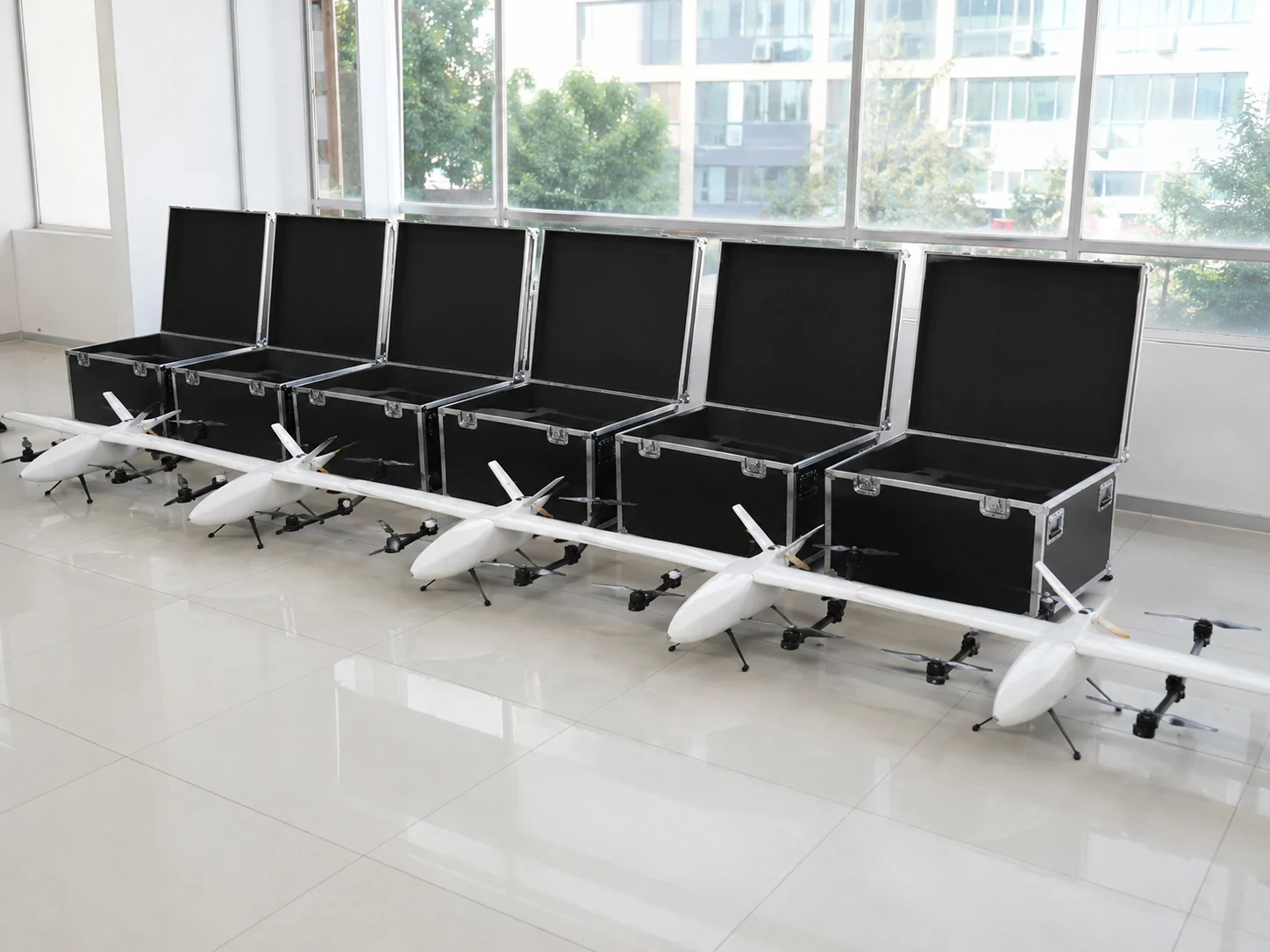
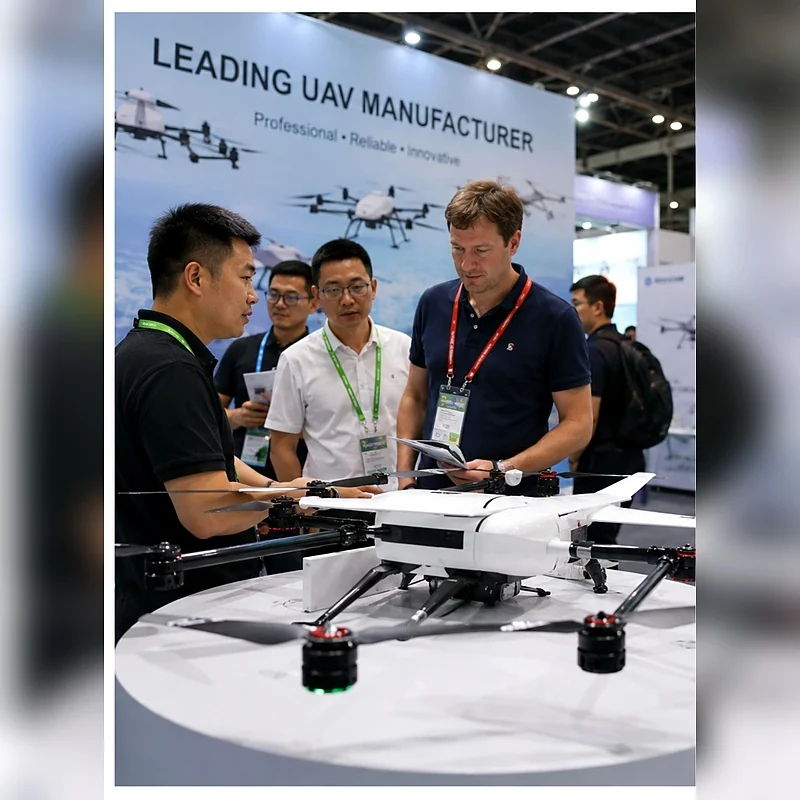
05 / CURRENT CAPABILITY EVIDENCE
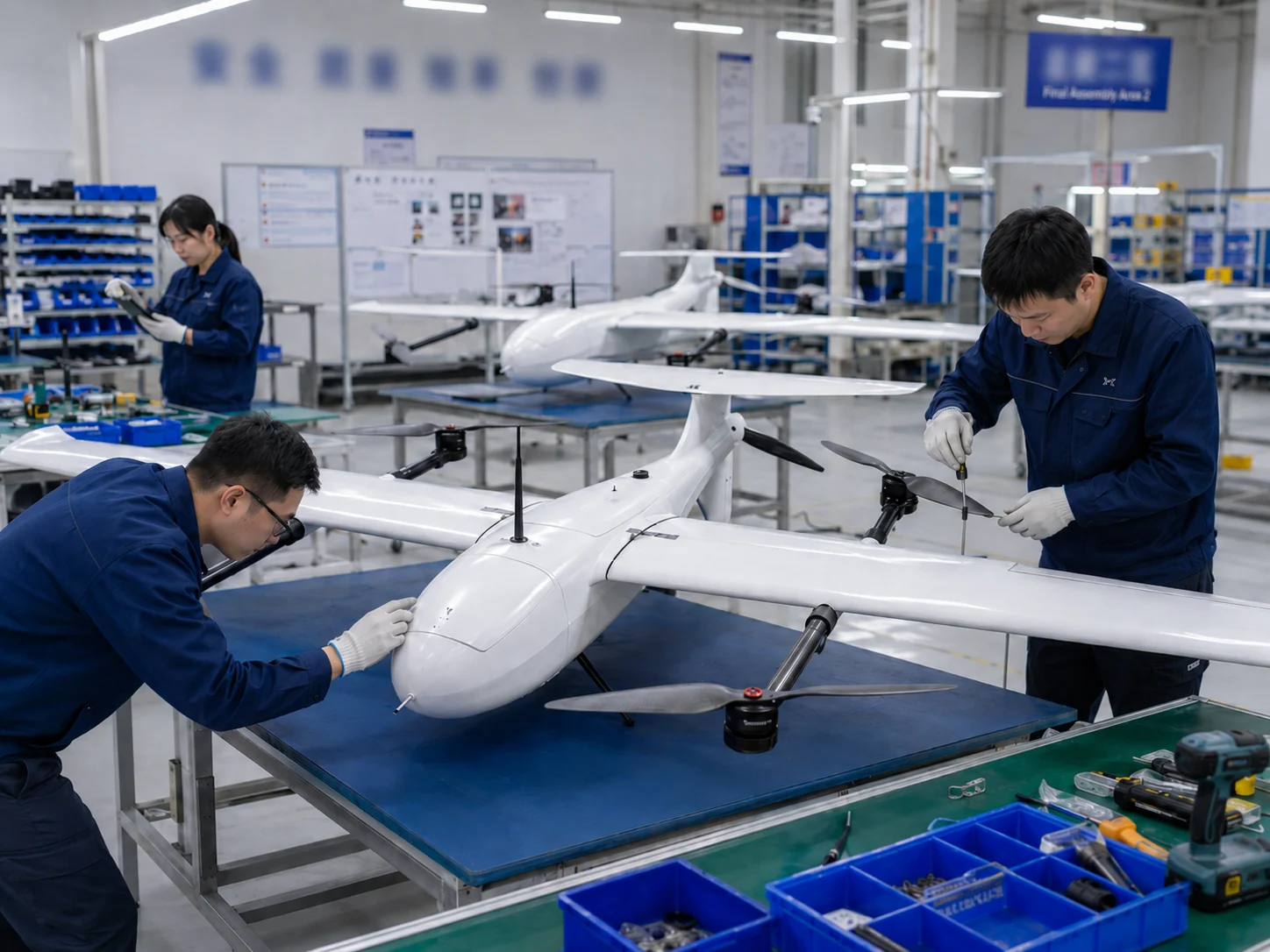
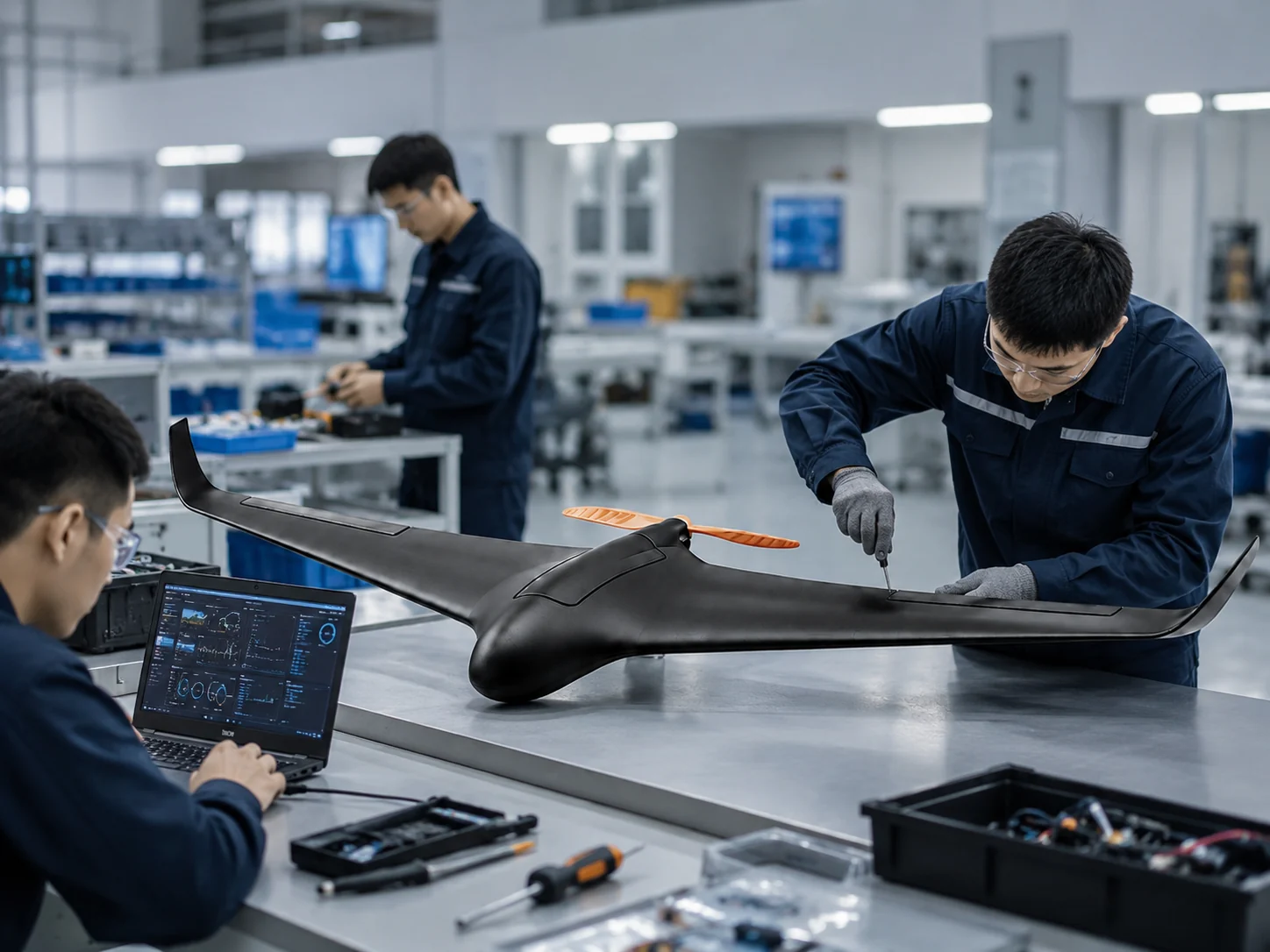
The images below document current production-site activity. This page does not present them as proof of a completed third-party turnkey factory delivery.
06 / BUYER INPUTS
You do not need a finished factory specification. The information below is enough to begin defining a practical boundary and identify the missing decisions.
Target UAV type, payloads, end use and destination market.
Expected monthly or annual quantity, shifts and ramp-up objective.
Assembly only, structured production or selected local manufacturing.
Available floor area, layout drawing, utilities, storage and test space.
Existing engineering, assembly, quality and maintenance experience.
Required standards, training roles, language and preferred delivery schedule.
START A PRODUCTION-LINE REVIEW
TJW will first confirm the technical boundary and required inputs. A project-specific scope and quotation follow after review.